Our Impact
The Impact of our work
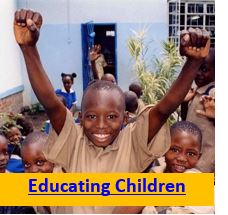
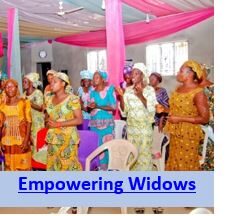
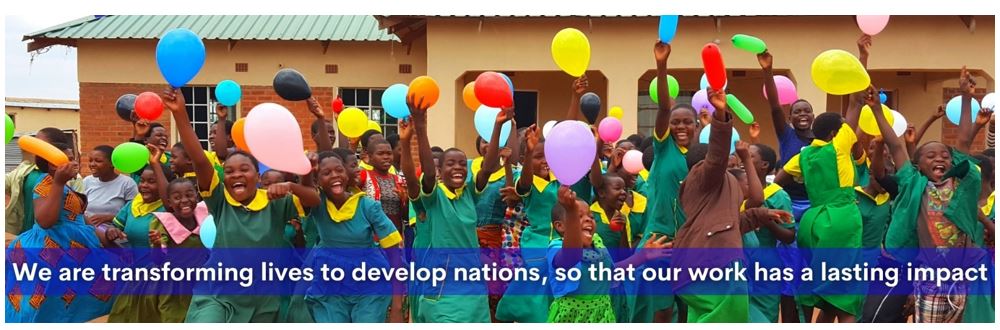
By educating children and empowering widows, we are helping them out of poverty and helping to develop their nations.
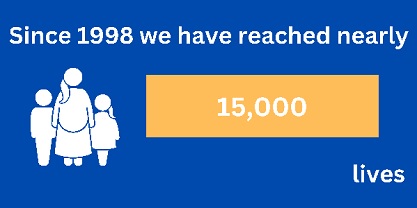
As we come up our 25th anniversary, our work has so far impacted nearly 15,000 children and woman-led families in need in 8 countries across sub-Saharan Africa where we operate.
In 2022 alone, 1,500 girls from 5 secondary schools Ayobo-Ipaja, Lagos State, Nigeria benefitted directly from our Dignity for Girls (Period Poverty) project. Read more here.
We have spent £1.32M (67%) of our expenditure directly to support the children and women.
Bringing about change
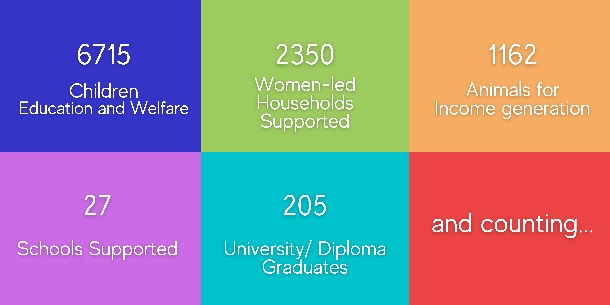 ACT wants to help disadvantaged children and orphans to reach their potential in life and to empower women to break out of the cycle of poverty.
We recognise that it takes time to reach this goal and it is why we have kept our focus on the journey. We set crucial milestones about which we can report along the way to demonstrate positive changes to their lives.
We measure how poor the women led households we work with are and how the children are impacted, to ensure that we continue to achieve our aim to help the poorest. We obtain data on the number of children in the family, how many are going to school, proportion of girls to boys, living conditions in the household, health, how income is generated if at all, and other relevant indicators. We work with women-led households, typically widows, single mothers, grandmothers, aunts, guardians, and also child-led households, where a child is head of their family.
The wider impact
When a child we support advance in their education, passes the national school leaving exams to go to secondary school or from secondary school to university, it’s not just their life that is impacted, it encourages other children in the community to aspire to the same. They may be the first child to reach these levels in their village.
When a girl goes to school and remains in education to completion of secondary, this has a similar impact on the other girls in the community. It reduces early pregnancy, child marriage and encourages more girls to go to school
When the women’s income generation activities prosper it helps villages and communities to prosper economically and socially, allowing them to thrive. Many women go on to employ others to help in their enterprise or form cooperative with other women. These boost the local economy.
In countries where women and girls are often marginalised, we give them status and the confidence to grow within their own communities.
What we do – find out more: