Enriching Communities – ACT Water Project in Kenya
by ACT
Posted on April 4, 2025
Comments Off on Enriching Communities – ACT Water Project in Kenya
“Clean water doesn’t just quench thirst; it nurtures futures, empowers education,
and strengthens resilience for generations to come.” (Anon)
Water is Life: A Lasting Change
For communities across Africa, access to clean water is fundamental to good health, education, and economic development. At the African Child Trust (ACT), we believe in the power of sustainable infrastructure to create lasting change. Nearly a decade after its inception, our 2015 Water Infrastructure Project in Kenya, continues to have a profound impact in the Sitikho community with a population of about 3,000 in the Western Province, and, in particular the Bukunjangabo SA Primary School.
Kenya is one of 8 countries where ACT is working in Africa.
ACT is for people otherwise forgotten
In addition to the missions to educate disadvantaged children and empower poor widows and women in need, our third core mission is to enrich the communities where work in Africa. We do this by carrying out development projects in education, water, sanitation and health.
At the project launch in 2015, our ambitious goal was to connect Sitikho to the main water grid to provide pipe borne water to Bukunjangabo SA Primary School, with a school population of 736 pupils, which up to then had no access to pipe borne water and to support Greenhouse farming in the community.
Up until the project, the staff and students had to bring their own drinking water to school, fetched mainly from a pond nearly a mile away. As can be expected sanitation at the school was non-existent in the circumstances. The second goal was to support greenhouse farming and also to establish a sustainable water source for the local community.
A Decade of Impact
While not all aspects of the project have stood the test of time, the most vital components continue to thrive, proving the resilience and importance of water infrastructure. The school’s access to clean water has transformed student health, hygiene, and overall well-being. Before the project, students relied on an open dug hole for water, which posed significant health risks. Today, thanks to the continued operation of piped water, cases of waterborne diseases have drastically declined, and public health officers have commended
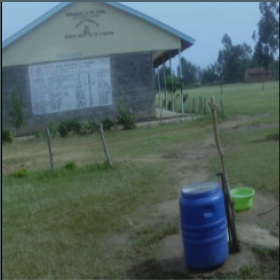
Waterline at Bakunjangabo Primary SA
the school for its sanitation improvements. Reliable water access has also eliminated disruptions in learning caused by water shortages, ensuring that students can focus on their education without concern.
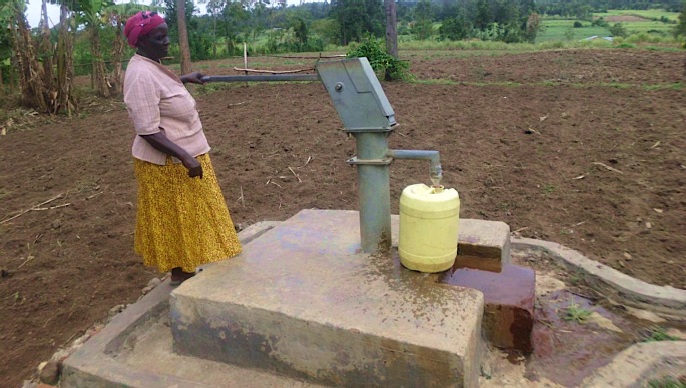
Beyond the school, borehole projects established through the initiative remain a crucial resource for the wider community. One borehole, once underutilised, was relocated to a bustling market area where it now serves a larger population. Another, situated within a church compound, continues to support community activities, providing clean water for events, drinking, and bathing. Who would have guessed that nearly a decade later, this infrastructure would still be making such a meaningful difference in people’s lives, and all at a total project cost of £10,000 at the time?
Challenges and Lessons Learned
The greenhouse farming initiative initially thrived but was discontinued due to an agricultural epidemic. Similarly, in 2019, rising water rates made access difficult for many; however, thankfully, Bukunjangabo Primary School remained connected.
 The continued success of the water infrastructure project serves as a powerful reminder that sustainable initiatives can have long-lasting impacts. While challenges have arisen, the enduring benefits of clean water access prove that investments in infrastructure can yield transformative results for generations.
ACT remains committed to expanding access to clean water and ensuring the sustainability of its projects. The lessons learned from this initiative drive us to seek stronger partnerships and innovative solutions that will enhance future community development efforts.
Join Us in Creating Lasting Change
As we celebrate the ongoing success of this project, we invite our supporters, partners, and well-wishers to join us in our mission. Your contributions – whether through expertise, funding, or advocacy – help ensure that projects like these continue to make a difference where they are needed most.
Together, we can build a future where clean water remains a cornerstone of health, education, and community growth. To learn more or support our initiatives, visit African Child Trust.
Appreciation
Our sincere thanks go to the Lions Club of Birmingham (£7,800) and to all our other donors through whom we raised £2,200.
