Championing Social Justice in Malawi and Kenya
by ACT
Posted on February 24, 2024
Comments Off on Championing Social Justice in Malawi and Kenya
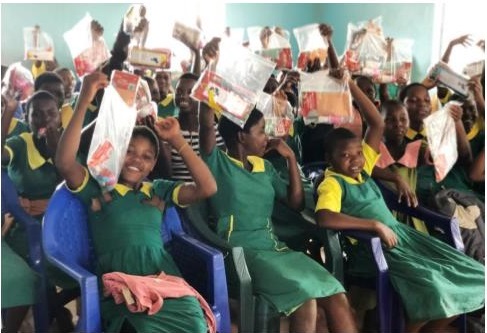
“Injustice anywhere is a threat to justice everywhere.”
– Martin Luther King Jr
On February 20th 2024, the world came together to observe the International Day of Social Justice. This day serves as a reminder of the need for fair and equitable opportunities for all, regardless of race, gender, or socioeconomic status. At ACT we believe that everyone should have access to the same opportunities and be treated fairly and equally. In countries like Malawi and Kenya, where deep-rooted injustices are prevalent, this day is significant. That is why ACT is taking action by helping disadvantaged children, orphans and widows to reach their full potential.
What is Social Justice?
Social justice, as defined by the United Nations, encompasses the fair and equitable distribution of resources, opportunities, and rights within society. It is about ensuring that all individuals, regardless of their background or circumstances, have access to basic human needs such as education, healthcare, housing, and employment. From the UN standpoint, social justice involves tackling systemic inequalities and discrimination to create a world where everyone can live with dignity and enjoy their fundamental human rights. It’s not just about addressing individual instances of injustice, but about addressing the root causes and structures that perpetuate inequality on a global scale. Ultimately, the UN sees social justice as essential for achieving peace, stability, and sustainable development worldwide. At ACT, our aim is to carry out projects that support orphans, fatherless children, and widows/women in the African countries where we work to reach these UN goals.
Malawi
Malawi, known for its vibrant culture and warm-hearted people, also grapples with systemic injustices that hinder its progress. One of the most pressing issues is access to education for females. Despite efforts to improve enrollment rates, many children, especially girls and particularly those from rural areas, still lack access to quality education due to poverty. Early marriages and teenage pregnancies are common as a cultural norm. Malawi is also one of the poorest countries in the world. 2016 statistics show that 20% of Malawian households (much higher in rural communities) are looking after an orphan or vulnerable child, highlighting some of the key issues Malawi faces.
Gender inequality remains a significant challenge. Women and girls often face discrimination in various aspects of life – mainly education where girls’ dropout rate is particularly high, with girls dropping out to get married and start a family. Healthcare is not easy to access, and employment opportunities are low, given the very low numbers of girls completing secondary school. Gender-based violence is also alarmingly prevalent, perpetuating the cycles of trauma and injustice.
How does ACT help prevent social injustices in Malawi?
 With support for girls’ education, ACT is promoting gender equality and equal access to education in Malawi. Our focus on girls’ education, particularly the fatherless and orphans, means that we are able to reach the children that are most likely not to have any opportunity of an education in the rural communities.
Our Ulemu Project started in 2017 has had a huge impact in the Nyezerera community in Phalombe district in the south of the country. Ulemu (meaning dignity in the Chichewa language) was created to reduce the high dropout rate of girls from school due to lack of access to affordable sanitary products, compounded by cultural myths that encourage girls into early child marriage. Girls do not receive any education on menstrual health either at school or at home. Schools suffer from poor sanitation, most lack running water and there are insufficient toilets for girls. Nyezerera Primary School with a population of 2,400 children had just 8 toilets for girls and 6 for boys (2018). The poor sanitary environment causes the girls to stay at home during menstruation, missing out on a quarter of their education. This takes a massive toll on their academic achievements.
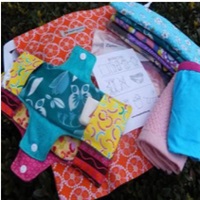
The Ulemu project is about granting girls the dignity they deserve. We do this through our ‘Girl Shower’ workshops where they receive menstrual health education and learn life skills. Each child also receives a “Blessing pack” which contains panties, a set of re-useable sanitary pads, roll-on deodorant, pen and a handmade bookmark. The project teaches the girls about their menstrual health and human rights, as well providing essential life and business skills.
Kenya:
Similar injustices are widespread here, albeit with their unique complexities. Kenya is faced with the challenges of corruption, which undermines efforts to achieve social justice. Corruption not only drains public resources but also widens the gap between the wealthy elite and the impoverished majority. This disparity exacerbates inequalities in access to essential services such as healthcare and education, perpetuating a cycle of poverty and marginalisation.
How does ACT help prevent social injustices in Kenya?
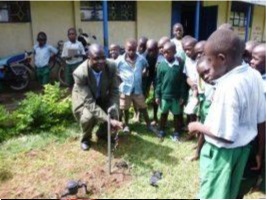 By empowering widows and enriching the communities, ACT is working to prevent social injustices in Kenya. We have helped come up with sustainable solutions by teaching life skills, counselling to widows in order for them to be able to provide for their family. This means they’re able to send their children to school and ensure that they are eating, ending the cycle of poverty.
One of the main ways we have helped in Kenya is through helping to provide safe water and sanitation through freshwater ecosystems. In the Sitikho Ward in Bungoma County, Western Kenya, we managed to provide a continuous water supply and make it possible for a greenhouse project to develop. It meant that the 3000 women and children who had to trek daily several miles to collect unhygienic water no longer need to do this.
ACT is for the people otherwise forgotten:
As we celebrate the International Day of Social Justice, let us not forget the struggles faced by countries like Malawi and Kenya in their quest for equality and fairness. By acknowledging these injustices and actively working towards solutions, we can build a more just and equitable world for all.
Help us to create a world where everyone has access to the same opportunities. Please support our work so that we can help to transform the lives of many more disadvantaged people in communities in Africa! To find out how you can support our work please click here.
